
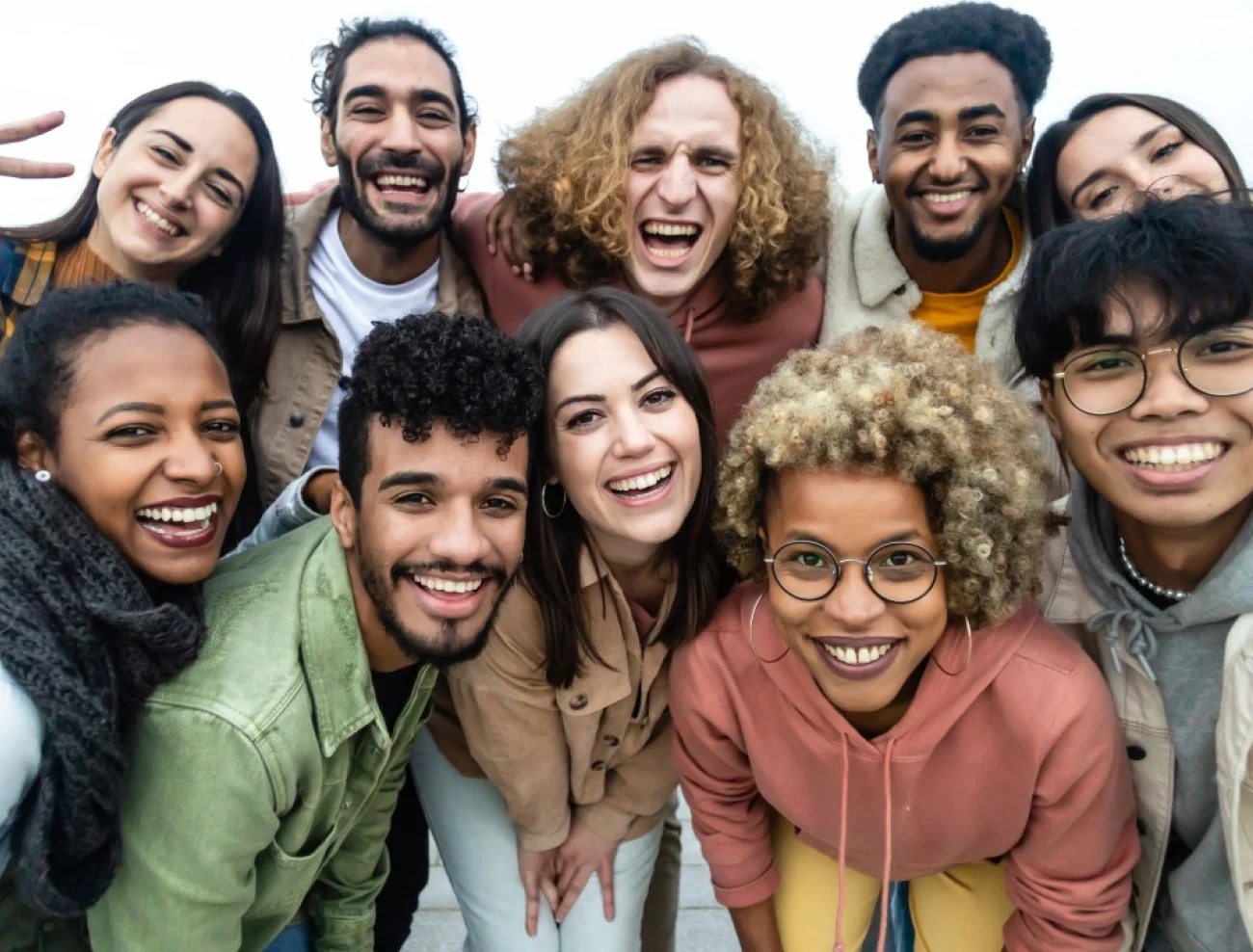
Young Latinos are not just a demographic segment; they are a transformative force reshaping American society, culture, and economy. For marketers and business leaders, understanding this powerful cohort is no longer optional—it’s imperative.
One of the most popular misconceptions is that Latinos are primarily immigrants. The reality, however, is strikingly different: an overwhelming 94% of Latino youth under the age of 18 are American-born and raised. Unlike previous generations who may have faced language barriers or differing traditions, young Latinos are native English speakers, deeply integrated into American culture while steadfastly maintaining their Latino identity…. They are not just consumers of culture, but increasingly its shapers, with Latin culture experiencing a global explosion across food, music, and pop culture.
This brings us to a second misconception: that Latinos represent a niche market. Far from it, young U.S. Latinos are coming of age at a time when their cultural momentum is undeniable. Latin music, for instance, was the fastest-growing streamed genre in the U.S. during the first half of 2024, surging by 15% from 2023 and outpacing core genres like pop and rock. Their sheer numbers alone—Latinos already represent a quarter of Gen Z and Gen Alpha and are projected to reach 30% by 2040—dispel any notion of a “niche”. When their cultural clout is added to their size, what emerges is a new, highly influential cohort coming into their own.
Today’s young Latinos are better positioned for success and upward mobility than any preceding generation. They are ambitious and determined, with 22% of U.S. Latinos aged 25-34 holding a bachelor’s degree or higher in 2022, a significant increase from older generations. This educational advancement, coupled with cultural adaptability and a growing sense of agency, allows them to confidently chart their own course toward success. Their influence on U.S. workplace culture is set to grow, with Latinos projected to account for one in five U.S. workers by 2030.
While earlier generations may have felt pressure to blend in, this new generation embraces a proud, unapologetic blended identity rooted in their bicultural heritage, or “orgullo”. They are actively rewriting the American Latino narrative and injecting fresh energy into mainstream U.S. culture. This cultural pride is reflected in their media consumption: 60% of Latino youth watched content related to their cultural background half the time or more in 2024, up from 51% in 2023. A significant portion of Gen Z Hispanics (40-55%) consume media in both English and Spanish, and half use Spanglish when speaking with family and friends. This linguistic flexibility not only highlights their blended identity but also helps improve family relationships by facilitating communication with older relatives.
For brands looking to genuinely connect with this powerful and rapidly growing demographic, here are three essential tips:
1.Prioritize Authentic Representation and Cultural Nuance: Moving beyond superficial inclusion is paramount. Brands must gain a deep understanding of Latino cultural pride and reflect it authentically in their marketing. This means avoiding stereotypes, using appropriate cultural relevant campaigns, and showcasing the immense diversity within the U.S. Hispanic community.
2.Embrace Bilingual and Spanglish Communication: While many young Latinos are native English speakers, a significant portion consumes media in both English and Spanish, and half use Spanglish in their daily conversations. In-language spots also lead to a 10% lift in purchase intent, an 11% enhancement of brand perception, and a 16% increase in brand trust among the Hispanic bilingual market.
3.Demonstrate a Genuine Commitment to Diversity, Equity, and Inclusion (DEI): Young Latinos, especially in the workplace, are taking a forceful stance on equity, with 81% of those aged 18-34 willing to consider leaving a company due to a lack of inclusion or discrimination. This extends to their purchasing behaviors. Hispanic consumers, whose buying power is projected to reach $2.8 trillion by 2026, are actively adjusting their spending based on brands’ DEI commitments.
To thrive in this evolving marketplace, brands must move beyond surface-level inclusion and embrace cultural specificity and individual depth. This means understanding the nuances of cultural pride, involving diverse voices in product development and campaigns, and creating relationships built on authenticity and trust. Recognizing and embracing their unique identity and influence is not just good corporate responsibility; it is a business imperative that will shape the future of America’s brands and businesses.



Why Multicultural Marketing Is No Longer Optional
Article originally published in Forbes.com Agency Council As we approach the end of the year, I would like to stress why multicultural consumers should be a priority for [...]

Reaching Hispanics Isn’t Just Smart Marketing; It’s A Business Imperative In 2025
Article originally published in Forbes.com Agency Council As a marketer with more than 30 years in the industry, I've seen trends come and go. But what's currently happening [...]
