
Article originally published in Forbes.com Agency Council
If you think U.S. Hispanics are not fueling cultural and economic momentum in this country, then you may be risking the success of your brand and organization moving forward. A great example of this was the Bad Bunny concert at the 2026 Super Bowl. It wasn’t just a show or a political statement, as some may think. It was a snapshot of what America actually looks like today.
The performance sparked extensive coverage and online conversations. While some people were upset because he was singing in Spanish, the show was a vibrant celebration of culture and identity, which others saw as particularly meaningful to younger and diverse audiences. I personally believe it was a smart move by the NFL to secure the growth of the sport by representing what this country looks like today and engaging with Millennials and Gen Z, as they are among the most diverse groups of consumers in the U.S.
We are a nation built by immigrants, and much of the country’s current growth is driven by U.S. Hispanics. Between 2020 and 2024, Hispanics accounted for well over half (71%) of U.S. population growth—and most of that growth was due not to immigration but to new births among Hispanics living in the U.S. At present, 55% are second generation.
For brands, the takeaway is straightforward: Growth is coming from communities that have long been underrepresented and misunderstood. Those brands that move beyond surface-level inclusion and truly embrace minority audiences will be the ones that earn loyalty and see real growth, especially in an increasingly divided general market.
Four Practices To Engage Hispanic Consumers
How can brands do a better job engaging Hispanic consumers as the FIFA World Cup in soccer approaches this June?
1. Understand the market before you spend one dollar.
Many brands assume that advertising on English-language networks will automatically capture Hispanic consumers. However, success requires more than simple reach. It requires meaningful engagement through a culturally relevant strategy and campaign that resonates with this audience.
With the FIFA World Cup airing on Peacock and Telemundo this year, brands have a clear opportunity to connect intentionally and authentically. If this approach is not executed correctly, the investment can become costly, as sales performance may not align with expectations.
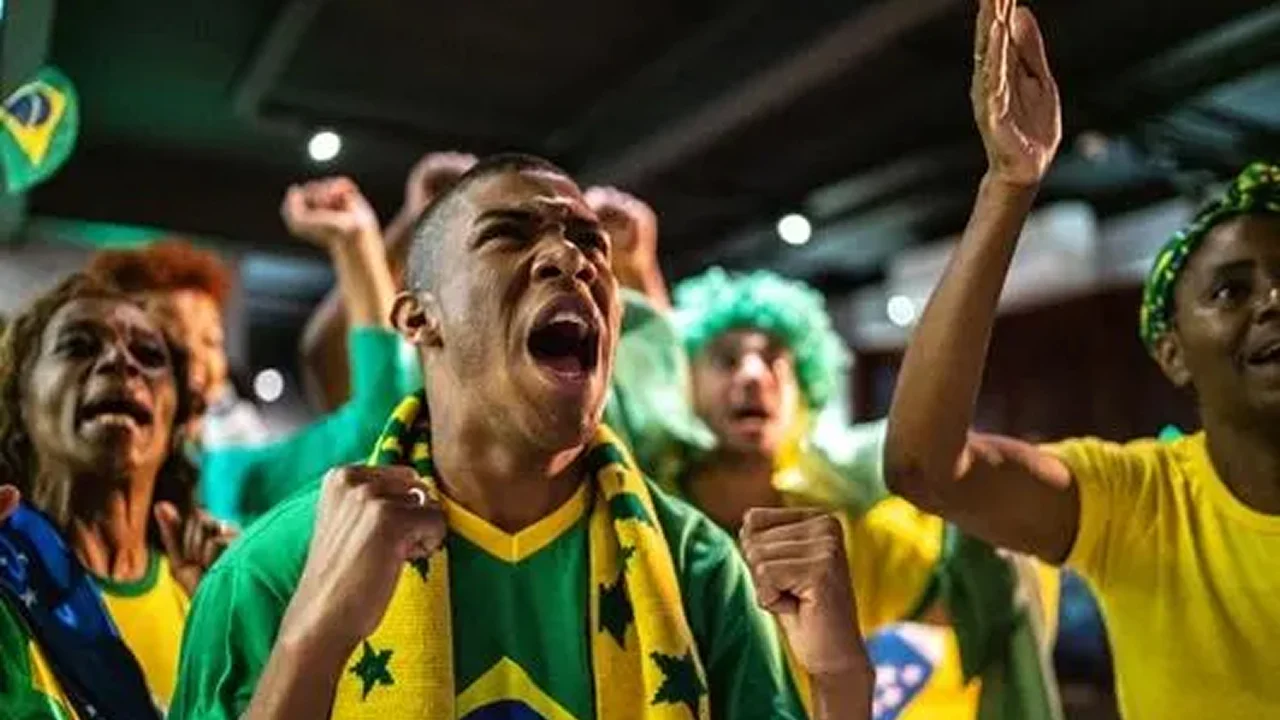
A brand can deepen its understanding of the Hispanic market by researching the cultural significance of the FIFA World Cup within this community. Fans are not passive viewers. They actively engage with matches through conversations, social media discussions and real-time interactions with brands. Games often become social events, with friends and families gathering in bars, homes, parks and other public spaces to watch together.
Thoughtful marketing efforts, such as sponsoring watch parties or launching targeted digital campaigns aligned with match schedules, can help drive sales by placing the brand at the center of these shared moments, when consumers are engaged and making purchasing decisions.
2. Move beyond representation to cultural understanding.
For years, I have seen brands lean on translation as a strategy. An English ad becomes a Spanish ad. An existing campaign adds a Hispanic family.
The thinking is that visibility equals connection. It doesn’t. Checking a box is not enough.
The World Cup is layered with emotion, national pride, nostalgia and generational bonding. A literal translation misses that emotional texture. Work with Latino influencers, former players, sports commentators and musicians who understand the cultural nuances of match-day excitement.
3. Understand the Hispanic consumer journey.
Marketers often assume consumer journeys are universal. They are not. In many Hispanic households, purchase decisions are collective. Brands can partner with local soccer clubs, youth leagues and community leaders who influence household decisions.
Additionally, while language matters, cultural context matters more. Messaging that is simply translated into Spanish often falls flat if it does not reflect shared values, humor, traditions or lived experiences.
The Hispanic market is not monolithic. Many consumers move fluidly between cultures, languages and media environments. Second- and third-generation consumers may be English-dominant but still deeply connected to cultural traditions.
Brands should consider how messaging adapts across generations and levels of acculturation. Trust plays a central role in the consumer journey. Recommendations from family, friends and community members carry significant weight. Once trust is established, loyalty can be strong and long-lasting.
4. Show up all year, not just during the tournament.
The World Cup offers a powerful cultural moment, but Hispanic consumers can tell when a brand only appears for a quick sale and disappears afterward. Short-term campaigns may generate a sales bump, but they rarely build brand equity. Use this tournament as a launchpad, not a one-off. Build data and insights that inform year-round engagement strategies.
Hispanic culture is not a niche influence during the World Cup. It is central to the way the tournament is celebrated in the United States. The brands that win will be those that move beyond surface-level tactics and build meaningful, sustained relationships with one of the most dynamic and culturally influential consumer segments in the country.



Why Multicultural Marketing Is No Longer Optional
Article originally published in Forbes.com Agency Council As we approach the end of the year, I would like to stress why multicultural consumers should be a priority for [...]
Reaching Hispanics Isn’t Just Smart Marketing; It’s A Business Imperative In 2025
Article originally published in Forbes.com Agency Council As a marketer with more than 30 years in the industry, I've seen trends come and go. But what's currently happening [...]
